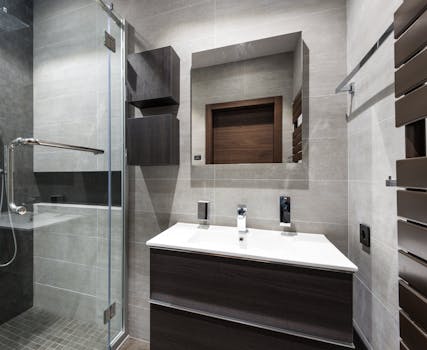
When embarking on a home renovation, the immediate focus often gravitates towards visually striking elements: new countertops, sleek fixtures, or perhaps an expanded floor plan. However, lurking beneath the surface, the plumbing system plays an often-underestimated role, acting as the silent circulatory system of your home. Neglecting its intricacies during renovation can lead to a cascade of problems, from minor leaks to major structural damage. So, how do we approach renovation plumbing not just as a necessity, but as a strategic opportunity to enhance your home’s functionality and resilience?
The Unseen Architect: Planning for Future Needs
It’s easy to get caught up in the “now” of a renovation – matching tiles, selecting cabinet hardware. Yet, the most impactful plumbing decisions are often those made with an eye firmly fixed on the future. This isn’t merely about replacing old pipes; it’s about anticipating how your household’s needs might evolve.
#### Proactive Pipe Assessment: More Than Just a Visual Check
Many homeowners assume that if no leaks are evident, their existing plumbing is sound. This is a dangerous assumption. Older homes, in particular, might have outdated materials like galvanized steel or even lead piping, which can corrode, reduce water pressure, and pose health risks. A thorough inspection by a qualified plumber during the renovation planning phase is paramount. They can assess the material, diameter, and condition of your existing pipes.
Galvanized Steel: Prone to rust and mineral buildup, significantly restricting flow over time.
Copper: A durable option, but older joints can still be a source of leaks.
PEX Tubing: A modern, flexible alternative that’s resistant to corrosion and easier to install.
Considering an upgrade to PEX during your renovation plumbing project can offer long-term peace of mind and improved water delivery.
#### Water Pressure and Flow: Optimizing Your Home’s Performance
Renovations often involve adding new fixtures – an extra shower, a larger sink, or even an appliance like a dishwasher. Without careful consideration, this can overload your existing system, leading to diminished water pressure at multiple points simultaneously. This is where strategic planning comes into play.
A plumber can help you:
Calculate the total demand of proposed fixtures.
Determine if your main water line can handle the increased load.
Recommend solutions like pressure-reducing valves or re-piping sections of your home to ensure consistent, adequate pressure everywhere.
Navigating the Regulatory Landscape: Permits and Code Compliance
This aspect of renovation plumbing is often overlooked by DIY enthusiasts or those eager to cut costs. Building codes and local regulations are not arbitrary hurdles; they are designed to ensure safety and functionality.
#### The Essential Role of Permits
Obtaining the necessary permits for plumbing work is non-negotiable. It signifies that your renovation plan has been reviewed by local authorities, ensuring it meets safety standards. Skipping this step can lead to:
Fines and penalties.
The need to tear down and redo work if it fails inspection.
Difficulties when selling your home, as unpermitted work must often be disclosed and rectified.
#### Understanding Your Local Plumbing Codes
Plumbing codes dictate everything from pipe materials and joint types to ventilation and drainage requirements. These codes vary by region, so it’s crucial to work with a plumber who is intimately familiar with your local ordinances. For instance, specific requirements for venting a new bathroom or the slope of drainpipes are critical for preventing clogs and ensuring proper waste removal.
Future-Proofing Your Fixtures: Design and Material Choices
Beyond the hidden pipes, the visible plumbing fixtures are an integral part of your renovation. Making informed choices here impacts both immediate aesthetics and long-term practicality.
#### The Intersection of Style and Substance
While the allure of a trendy faucet or a high-tech shower head is undeniable, consider their longevity and maintenance. Are replacement parts readily available? Is the finish durable enough for daily use?
Ceramic Disc Cartridges: Generally more durable and less prone to leaks than older compression-style valves.
Low-Flow Options: Increasingly standard, these conserve water and reduce utility bills without sacrificing performance. Look for WaterSense certified fixtures.
Material Durability: Stainless steel, brass, and high-quality ABS plastic are generally good choices for durability.
#### Accessibility Considerations: Plumbing for All Ages
As homes are lived in for decades, incorporating accessibility features during a renovation can be a wise investment, benefiting not just elderly residents but also those with temporary mobility issues.
Lever Handles: Easier to operate than traditional knobs.
Wider Clearances: Ensuring ample space around sinks and toilets.
Thermostatic Mixing Valves: Crucial for preventing scalding, especially in shower and tub installations.
The Unforeseen Challenges: When Renovation Plumbing Gets Complicated
Despite meticulous planning, renovations often uncover unexpected issues. This is where experience and a proactive approach truly differentiate a successful project from a costly headache.
#### Unearthing Hidden Water Damage and Mold
During demolition, it’s not uncommon to discover existing water damage or mold that wasn’t visible before. Old, leaky pipes or poor past repairs can create insidious problems that need immediate attention before new finishes are applied. Addressing these issues is vital for both structural integrity and indoor air quality.
#### The “Oh No” Moment: Finding Unexpected Obstructions
Sometimes, old plumbing runs through unexpected places, or previous renovations may have incorrectly rerouted pipes. Discovering a critical drainpipe or water supply line where you intended to build a new wall or install a fixture can be a significant setback. This is when a plumber’s expertise in problem-solving becomes invaluable, potentially requiring creative rerouting or structural adjustments.
Final Thoughts: Investing in a Resilient Plumbing Backbone
Approaching renovation plumbing* with a strategic, forward-thinking mindset is not an optional luxury; it’s a fundamental requirement for a successful and enduring home improvement project. It’s about understanding that the visible beauty of your renovated space is entirely dependent on the robust, invisible infrastructure beneath. By prioritizing thorough assessment, adherence to codes, thoughtful fixture selection, and anticipating potential challenges, you invest not just in aesthetics, but in the long-term health, efficiency, and resilience of your home. Don’t let your dream renovation become a plumbing nightmare; treat your pipes with the respect and foresight they deserve.